

















































































Cassius Marcellus Coolidge
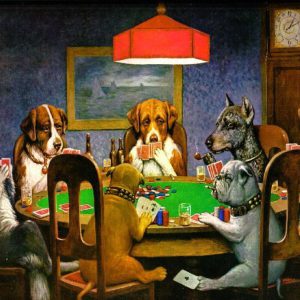
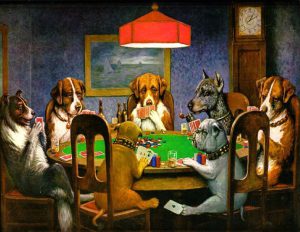
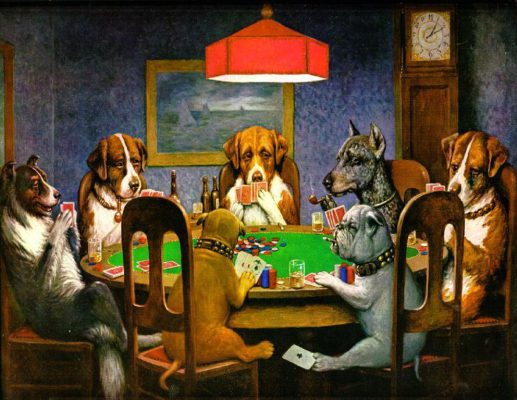
A Friend in Need by Cassius Marcellus Coolidge 100% Hand Painted Oil Painting Reproduction
 Kitsch is a term applied to art and design that is perceived as naïve imitation, gratuitous, or of banal taste.
According to early critical theory, kitsch provides immediate gratification based on contrived sentiment. Behind a culture industry, kitsch works to pacify difference, or social complexity, and engender a psychological interdependence with homogenous consumerism.
The avant-garde opposed kitsch as melodramatic and superficial affiliation with the human condition and its natural standards of beauty. In the first half of the 20th century, kitsch referred to products of pop culture that lacked the depth of fine art. However, since the emergence of Pop Art in the 50’s, kitsch is sometimes re-appreciated in knowingly ironic, humorous or earnest fashion.
To brand visual art as “kitsch” is often still pejorative, though not exclusively. Art deemed kitsch may be enjoyed in an entirely positive and sincere manner. For example, it carries the ability be quaint or “quirky” without being offensive on the surface, as in the Dogs Playing Poker paintings.
Kitsch can refer to music, literature, or any work, and relates to camp, as they both incorporate irony and extravagance.