

Vincent Van Gogh
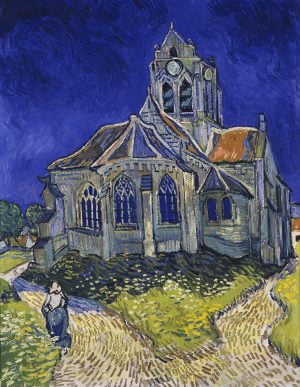
The Church at Auvers by Vincent Van Gogh 100% Hand Painted Oil Painting Reproduction
Vincent Van Gogh
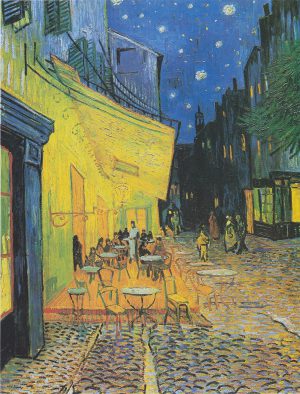
Cafe Terrace at Night by Vincent Van Gogh 100% Hand Painted Oil Painting Reproduction
Vincent Van Gogh
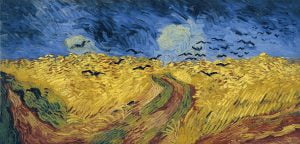
Wheatfield with Crows by Vincent Van Gogh 100% Hand Painted Oil Painting Reproduction
Vincent Van Gogh
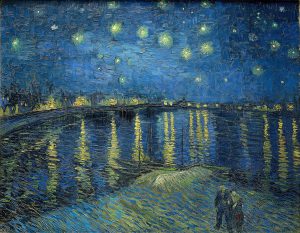
Starry Night Over the Rhone by Vincent Van Gogh 100% Hand Painted Oil Painting Reproduction
Vincent Van Gogh
Vincent Van Gogh
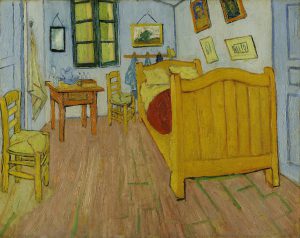
Vincents Bedroom in Arles by Vincent Van Gogh 100% Hand Painted Oil Painting Reproduction
Vincent Van Gogh
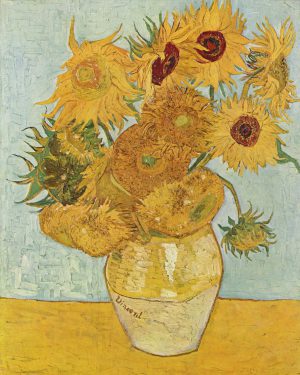
Vase with 12 Sunflowers by Vincent Van Gogh 100% Hand Painted Oil Painting Reproduction
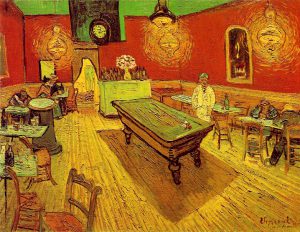
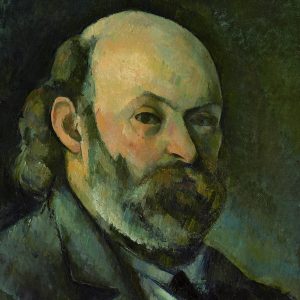
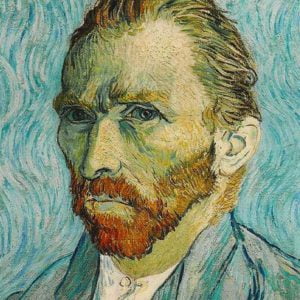
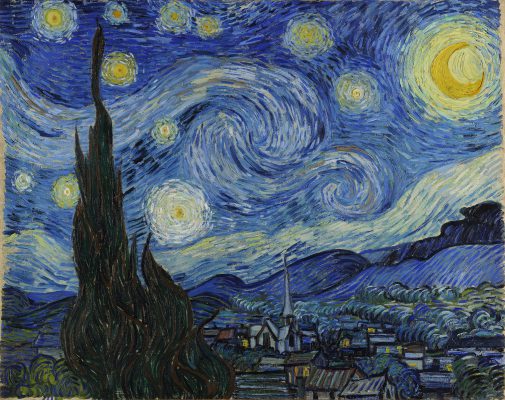 Post-Impressionism (also spelled Postimpressionism) was a predominantly French art movement that developed roughly between 1886 and 1905, from the last Impressionist exhibition to the birth of Fauvism. Post-Impressionism emerged as a reaction against Impressionists’ concern for the naturalistic depiction of light and colour. Due to its broad emphasis on abstract qualities or symbolic content, Post-Impressionism encompasses Les Nabis, Neo-Impressionism, Symbolism, Cloisonnism, Pont-Aven School, as well as Synthetism, along with some later Impressionists’ work. The movement was led by Paul Cézanne (known as the father of Post-Impressionism), Paul Gauguin, Vincent van Gogh and Georges Seurat.
The term Post-Impressionism was first used by art critic Roger Fry in 1906. Critic Frank Rutter in a review of the Salon d’Automne published in Art News, 15 October 1910, described Othon Friesz as a “post-impressionist leader”; there was also an advert for the show The Post-Impressionists of France. Three weeks later, Roger Fry used the term again when he organised the 1910 exhibition Manet and the Post-Impressionists, defining it as the development of French art since Manet.
Post-Impressionists extended Impressionism while rejecting its limitations: they continued using vivid colours, often thick application of paint and real-life subject matter, but were more inclined to emphasize geometric forms, distort form for expressive effect, and use unnatural or arbitrary colour.